
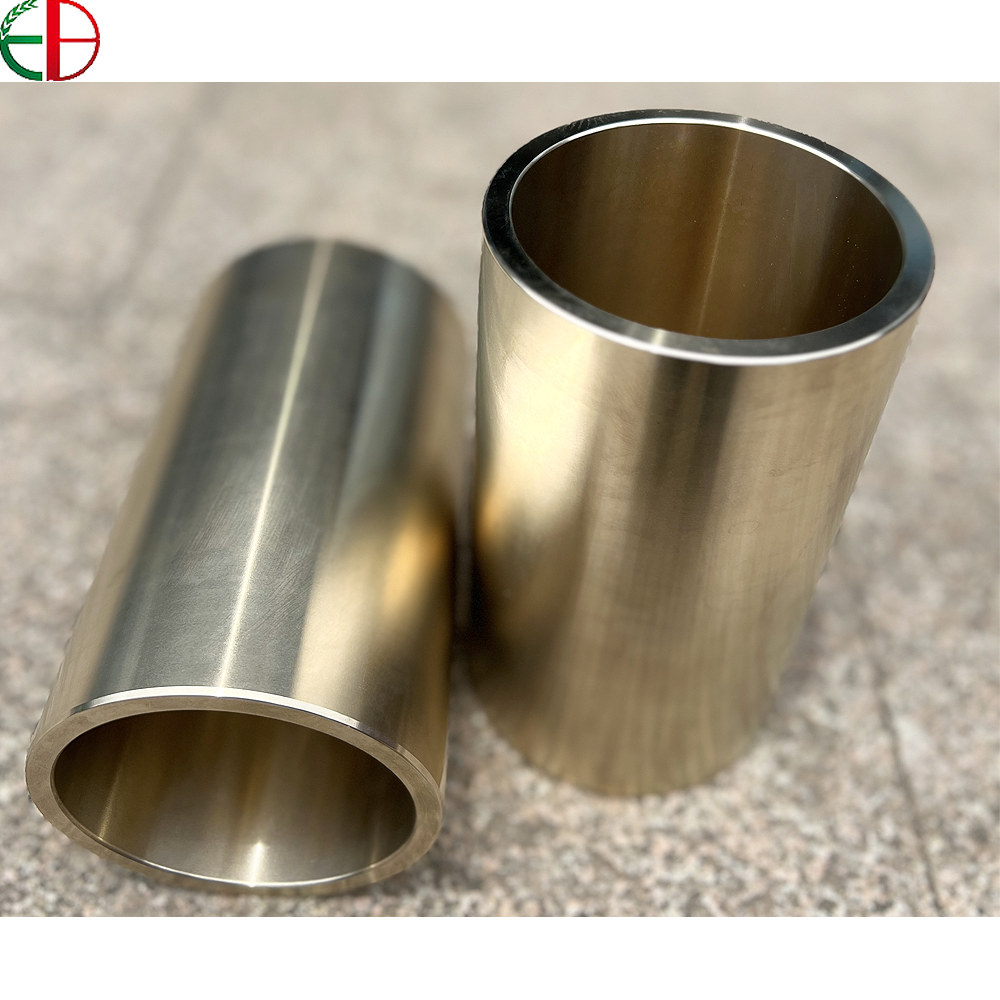
Brass parts: “Durable Metal Accessories”
Brass parts contain 60% to 85% copper.It has three major advantages: corrosion resistance, easy processing and excellent electrical conductivity.
Solve these pain points easily.
Choosing the right one can reduce maintenance and replacement costs by more than 30%.
It can also be adapted to multiple scenarios such as hardware, electronics, and bathroom fixtures.
The cost performance far exceeds that of ordinary metal parts.
I. Four Core Advantages of Brass Parts
Corrosion-resistant and rust-proof: The copper-zinc alloy has a stable structure.
Easy to process and with good plasticity: Suitable for both small-batch customization and large-batch production.
Excellent electrical and thermal conductivity: The electrical conductivity is three times that of pure iron.
Its thermal conductivity is 20% higher than that of aluminium.
Excellent appearance and texture: It can be used as an accessory to show the texture.
Ii. Five Precise Application Scenarios of Brass Parts
Hardware and building materials: Suitable for home and engineering decoration scenarios.
Electronic and electrical appliances: Ensure stable current transmission.
Sanitary ware: More durable than plastic parts.
Jewelry and handicrafts: Favored by handicraft enthusiasts.
Mechanical parts: Moderate strength and easy to process.
It can meet the operational requirements of small machinery.
Reduce mechanical wear failures.
Iii. Four Key Criteria for Selecting the Right Brass Parts
Check the purity of the material: Request the supplier to provide a material report.
Select the corresponding processing technology: An incorrect process will affect the precision and strength.
Check the dimensional accuracy: The tolerance of the electronic contacts is large.
Ⅳ. There will be poor contact.
Pay attention to surface treatment: Avoid improper surface treatment affecting lifespan.
Four. Three Practical Tips for Extending the Lifespan of Brass Parts
Soft cloth for daily cleaning: Avoid scratching the surface or corroding the alloy structure.
Avoid long-term contact with acids and alkalis: Prevent alloy corrosion and discoloration.
Regular anti-oxidation treatment: For brass parts used outdoors or in damp environments. Read More


