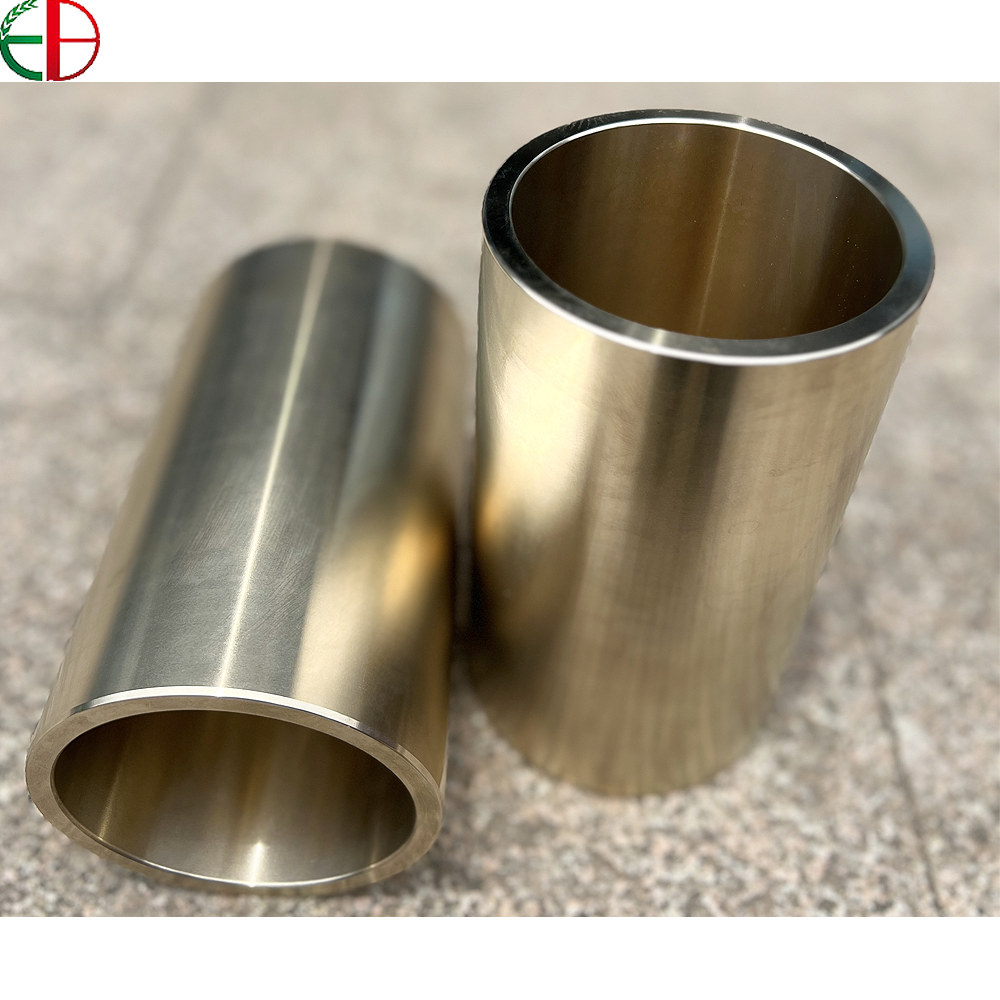
Different Types of Brass Wear Plates
Brass wear plates are versatile, cost-effective components engineered for low-to-medium wear environments. Composed of copper and zinc alloys, they offer excellent machinability, corrosion resistance, and self-lubricating properties—making them ideal for applications requiring reduced friction and noise. Different types of brass wear plates are formulated by adjusting alloy ratios and adding trace elements, each tailored to specific operational conditions like load, speed, and environmental exposure.
Selecting the right brass wear plate ensures prolonged equipment life, minimized maintenance, and stable performance in industries such as automotive, marine, machinery, and aerospace. This guide breaks down the most common brass wear plate types, their core characteristics, and ideal use cases.

1. Yellow Brass Wear Plates (C26000)
Yellow brass (also known as cartridge brass) is the most widely used brass alloy for wear plates. It balances ductility, machinability, and corrosion resistance, making it suitable for general-purpose low-wear applications.
-
Core Composition: Copper (68%-70%), zinc (30%-32%), trace lead (≤0.07%) for improved machinability. Grade: C26000 (UNS designation).
-
Key Features: Brinell hardness (HB) 60-80; density 8.47 g/cm³; operating temperature range -200℃ to 200℃; excellent resistance to atmospheric corrosion and fresh water.
-
Performance Traits: Good ductility for forming and shaping; low friction coefficient (0.18-0.25) in dry conditions; easy to weld and braze.
-
Typical Applications: Automotive bushings, marine hardware, valve seats, light-load gears, and general machinery wear surfaces.
-
Pros & Cons: Pros – Cost-effective, versatile, easy to process; Cons – Limited wear resistance under heavy loads or high speeds; susceptible to dezincification in saltwater.
2. Naval Brass Wear Plates (C46400/C46500)
Naval brass wear plates are optimized for marine and corrosive environments. They add tin to the brass alloy to enhance corrosion resistance, particularly against saltwater and dezincification.
-
Core Composition: Copper (59%-62%), zinc (35%-37%), tin (1.0%-1.5%), trace lead (≤0.2%). Common grades: C46400 (Naval Brass), C46500 (Leaded Naval Brass).
-
Key Features: Brinell hardness (HB) 70-90; density 8.40 g/cm³; operating temperature range -150℃ to 250℃; superior resistance to saltwater corrosion and dezincification.
-
Performance Traits: Higher strength than yellow brass; good impact toughness; maintains wear resistance in moist and marine environments.
-
Typical Applications: Marine engine components, ship hull fittings, saltwater valves, offshore equipment wear plates, and coastal machinery parts.
-
Pros & Cons: Pros – Excellent marine corrosion resistance, higher strength than yellow brass; Cons – Higher cost than yellow brass; leaded grades may have compliance restrictions in food/medical industries.
3. Leaded Brass Wear Plates (C36000/C37700)
Leaded brass wear plates are designed for high-machinability and low-friction applications. The added lead acts as a built-in lubricant, reducing friction and wear in moving parts.
-
Core Composition: Copper (57%-63%), zinc (30%-36%), lead (2%-3.5%). Common grades: C36000 (Free-Cutting Brass), C37700 (High-Lead Brass).
-
Key Features: Brinell hardness (HB) 65-85; density 8.45 g/cm³; operating temperature range -200℃ to 180℃; self-lubricating properties from lead particles.
-
Performance Traits: Exceptional machinability (cuts easily with minimal tool wear); low friction in sliding contact; good resistance to mild acids and alkalis.
-
Typical Applications: Precision machinery bushings, gears, nuts, bolts, valve stems, and automotive parts requiring high machinability and low wear.
-
Pros & Cons: Pros – Superior machinability, self-lubricating, cost-effective; Cons – Lead content restricts use in food/pharmaceutical industries; lower ductility than yellow brass.
4. Aluminum Brass Wear Plates (C68700/C68800)
Aluminum brass wear plates blend brass with aluminum to boost strength, wear resistance, and high-temperature performance. They are ideal for heavy-load and elevated-temperature applications.
-
Core Composition: Copper (76%-79%), zinc (14%-16%), aluminum (2%-4%), and trace iron (≤0.5%). Common grades: C68700 (Aluminum Brass), C68800 (High-Strength Aluminum Brass).
-
Key Features: Brinell hardness (HB) 90-110; density 8.20 g/cm³; operating temperature -100℃ to 300℃; forms a protective aluminum oxide film for better corrosion resistance.
-
Performance Traits: Tensile strength (≥400MPa) higher than standard brass; good wear resistance under heavy loads; resists oxidation at elevated temperatures.
-
Typical Applications: Heavy machinery wear plates, high-temperature valves, steam system components, and industrial pumps under load.
-
Pros & Cons: Pros – High strength, elevated-temperature resistance, reliable corrosion protection; Cons – Less machinable than leaded brass; higher production cost.
5. Silicon Brass Wear Plates (C65500/C65800)
Silicon brass wear plates are specialized for high-strength, corrosion-resistant applications. Silicon replaces some zinc to enhance mechanical properties and resistance to stress corrosion cracking.
-
Core Composition: Copper (82%-86%), zinc (9%-12%), silicon (1.5%-3.0%), and trace manganese (≤0.5%). Common grades: C65500 (Silicon Brass), C65800 (Leaded Silicon Brass).
-
Key Features: Brinell hardness (HB) 80-100; density 8.30 g/cm³; operating temperature -150℃ to 280℃; excellent resistance to stress corrosion cracking and chemical media.
-
Performance Traits: Balances strength and ductility; weldable and brazable; maintains integrity in corrosive industrial environments (e.g., mild acids, alkalis).
-
Typical Applications: Chemical processing equipment wear parts, industrial valve components, high-pressure fittings, and bushings for corrosive environments.
-
Pros & Cons: Pros – High strength, stress corrosion resistance, versatile; Cons – More expensive than standard brass; needs specialized machining for precision parts.
Key Selection Criteria for Brass Wear Plates
Select the right brass wear plate by matching its properties to your operational conditions:
-
Wear & Load: Light load/low speed → Yellow brass; Heavy load → Aluminum brass; High machinability/low friction → Leaded brass.
-
Environmental Exposure: Saltwater/marine → Naval brass; Chemicals → Silicon brass; Freshwater/atmospheric → Yellow brass.
-
Operating Temperature: Elevated (200℃+) → Aluminum/silicon brass; Low temperature → Yellow/leaded brass.
-
Processing Needs: High-precision machining → Leaded brass; Welding/brazing → Silicon/yellow brass; Forming/shaping → Yellow brass.
-
Budget & Compliance: Cost-sensitive → Yellow brass; Marine use → Naval brass; Lead-free requirements → Non-leaded aluminum/silicon brass.
Why Quality Brass Wear Plates Matter
Low-quality brass wear plates cause premature wear, equipment jamming, and costly downtime. High-quality options—made with precise alloy control and machining—ensure consistent performance, reduce friction, and extend the service life of industrial equipment’s moving parts.
Need help selecting the right brass wear plate? Share your load, temperature, environmental conditions, and budget for a free customized recommendation!